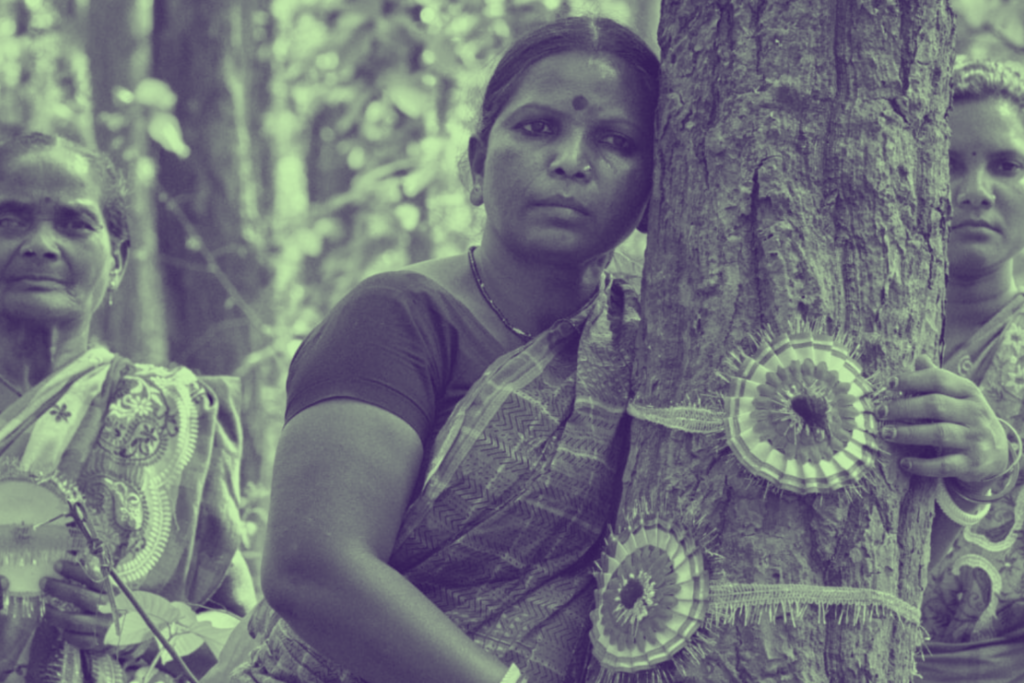
Jamuna Tudu – The ‘Lady Tarzan’ Who Became Jharkhand’s Forest Guardian
Jamuna Tudu, popularly known as the ‘Lady Tarzan of Jharkhand’, transformed from a village homemaker into a fearless environmental protector. By mobilising thousands of women, she led a grassroots movement against timber mafia and helped restore forests across hundreds of villages, earning national recognition including the Padma Shri.
Jharkhand, one of India’s newer states, is celebrated not only for its dense forests and natural beauty but also for the remarkable individuals who have brought pride to the region. Among them are strong and courageous women who have challenged social barriers and emerged as powerful symbols of change. One such inspiring personality is Jamuna Tudu, widely known as the ‘Lady Tarzan of Jharkhand’, whose dedication to protecting forests has transformed lives and landscapes alike.
Early Life and Background
Jamuna Tudu was born into a farming family in Jharkhand but spent much of her childhood in Rairangpur town in Odisha. Growing up surrounded by nature, she developed a deep bond with the environment. As a young girl, she often assisted her father in agricultural work, carrying saplings and helping in plantation activities. These early experiences quietly shaped her lifelong connection with nature.
At the age of 18, Jamuna married Mansingh Tudu, a contractor who worked on building houses in Maturkham village. Soon after her marriage, her family introduced her to the forest located behind their home. What she saw left her devastated. The forest that once thrived with teak and sal trees had been reduced to barren land filled with tree stumps. The destruction, she later revealed, was caused by a timber smuggling mafia that operated freely while intimidating villagers into silence. This disturbing reality deeply affected Jamuna and planted the seed of resistance in her mind.
Taking a Stand Against Timber Mafia
Determined to bring change, Jamuna Tudu began mobilising local Adivasi women and formed a Van Suraksha Samiti (Forest Protection Committee). Initially, convincing women to participate was difficult, as many had never spoken out or taken collective action before. However, Jamuna’s determination and courage gradually inspired them, and the movement began gaining strength.
Jamuna, along with 32 women, started patrolling the forests to prevent illegal logging. Armed with traditional tools such as sticks, bows, arrows and farming implements, they confronted timber smugglers and drove them away. Their resistance continued for nearly a year, but they soon discovered that the illegal trade involved not just smugglers but also a nexus of corrupt officials and local authorities. This made their mission far more challenging.
Additionally, Maturkham fell within a Naxal-affected region, which increased the risk and suspicion surrounding their activities. Despite these obstacles, Jamuna and her group remained firm. Eventually, they filed police complaints, leading to action against illegal timber operations.
The journey was far from easy. In 2008, Jamuna and her husband were attacked by miscreants, leaving Mansingh seriously injured. Rather than weakening her resolve, the attack strengthened her determination to continue the fight.
Over the years, Jamuna’s initiative grew into a massive environmental movement. Today, she leads a network of over 30,000 women who collectively protect forests across nearly 300 villages. Apart from preventing deforestation, the group actively participates in afforestation drives, ensuring that degraded lands are restored and ecological balance is maintained.
Recognition and National Honour
Jamuna Tudu’s relentless dedication and courage earned her widespread recognition. Her extraordinary work in protecting forests led to her receiving the Godfrey Phillips Bravery Award in 2014.
Her contributions gained national recognition in 2019, when she was honoured with the Padma Shri, India’s fourth-highest civilian award, presented by then President Ram Nath Kovind. The award acknowledged her grassroots environmental activism and her leadership in empowering rural women.
A Legacy of Courage and Environmental Responsibility
Jamuna Tudu’s journey from a village woman to a nationally recognised environmental protector is a powerful reminder of how individual determination can spark collective change. Her story not only motivates women to challenge societal limitations but also reminds society of the importance of safeguarding nature.
Her work stands as a beacon of hope, encouraging communities to respect, protect and nurture the environment that sustains them.