JhaJi Store Story: How Two Women from Bihar Took Mithila Pickles to National Stage

JhaJi Store is the inspiring story of two women from Bihar who turned traditional Mithila pickle recipes into a growing brand loved across India.
Facebook
X
WhatsApp
JhaJi Store Story: How Two Women from Bihar Took Mithila Pickles to the National Stage

In many Indian homes, pickles are more than just a side dish. They carry memory, tradition, and the unmistakable taste of home. In Bihar’s Mithilanchal region, that tradition found a new voice through JhaJi Store, a homegrown pickle brand started by two women who turned family recipes into a fast-growing business.

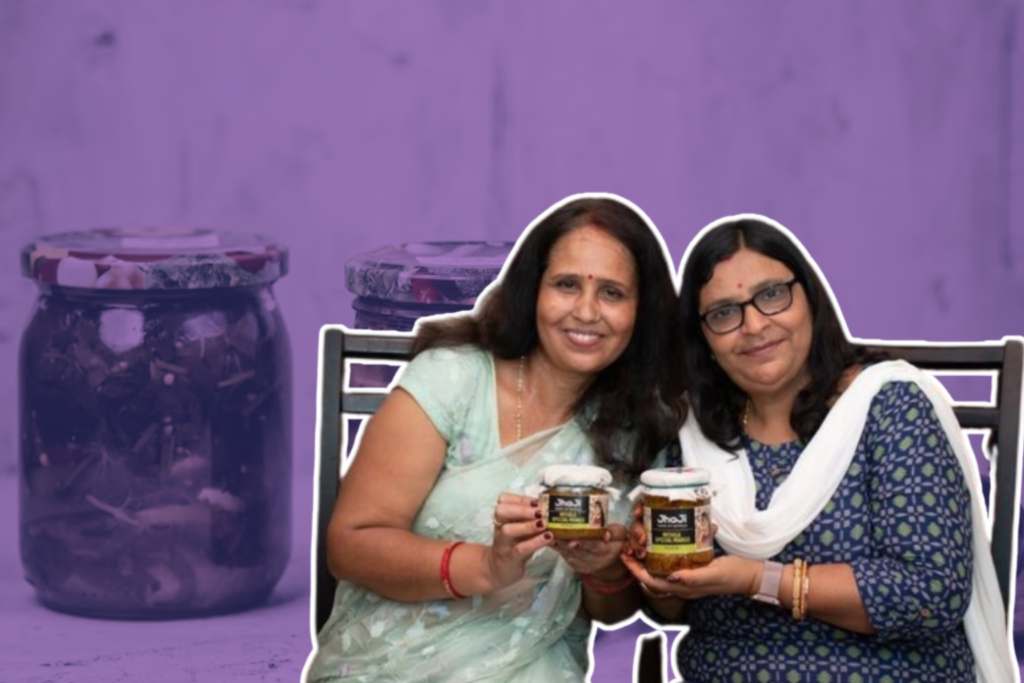
At the heart of this journey are Kalpana Jha and Uma Jha, a nanad-bhabhi duo from Darbhanga, whose story blends tradition, entrepreneurship, and the power of local food culture. What began in a home kitchen with recipes passed down through generations slowly grew into a brand that caught national attention, especially after its appearance on Shark Tank India.

A Taste Rooted in Mithila

JhaJi Store draws its identity from the culinary traditions of Mithilanchal, the cultural region known for its distinctive food heritage. For Kalpana Jha and Uma Jha, pickle-making was never just a business idea. It was a skill deeply woven into everyday life, shaped by mothers, grandmothers, and the shared wisdom of women in the household.

Their pickles reflected the familiar taste of homemade achar – made with local ingredients, mustard oil, traditional spice mixes, and slow methods that allowed flavor to develop naturally. Instead of industrial shortcuts, the brand built itself around authenticity. The idea was simple: bring the real taste of Mithila’s kitchens to people living far from home.

That emotional connection became one of JhaJi Store’s biggest strengths.

From Backyard Work to a Bigger Dream

Before the brand gained recognition, the work began on a small scale. The two women spent years making pickles that were loved by friends and family. Over time, they realized that the recipes they had perfected over decades could reach a much larger audience.

What made their journey stand out was not only the quality of the product but also the people behind it. In a business environment often dominated by large food companies, JhaJi Store carried the charm of a family-run venture built on trust, care, and regional pride.

The growth of the brand also created opportunities for local women. As demand increased, more women joined the production process, bringing with them the same household expertise that had shaped these recipes for generations. In this way, JhaJi Store became more than a food brand – it became a platform rooted in women’s work, traditional knowledge, and rural enterprise.

The Shark Tank Moment

JhaJi Store’s biggest breakthrough came when Kalpana Jha and Uma Jha appeared on Shark Tank India in 2021. Their pitch introduced the country to a brand that was deeply regional yet universally relatable. The story of two women from Bihar bringing homemade pickles to a national platform struck a chord with viewers.

Although the initial investment outcome on the show did not go exactly as planned, the appearance proved transformative. The brand received a wave of public love and attention, and demand for its products rose sharply. What happened next showed that sometimes visibility can be as valuable as funding.

The Shark Tank platform gave JhaJi Store something powerful: recognition. Suddenly, their pickles were no longer just a local favorite – they had become part of a national conversation around homegrown brands, women-led businesses, and regional food traditions.

Building a Brand Without Losing the Soul

As JhaJi Store expanded, the challenge was not only to grow but to do so without losing its original character. The brand continued to emphasize traditional methods, local sourcing, and the familiar taste of homemade achar. At the same time, it adapted to modern business needs with better packaging, wider delivery networks, and a stronger online presence.

Its journey reflects a larger shift taking place in India, where regional food products are increasingly finding space in digital marketplaces and startup culture. Consumers today are not just buying food – they are buying nostalgia, identity, and trust. JhaJi Store understood that early.

By staying rooted in Mithila while speaking to a national audience, the brand created something rare: scale without losing authenticity.

Also Read: From Clay Pots to Cameras: How Usha Bishoyi Took Rural Bengali Cooking to the World

More Than Just Pickles

The story of JhaJi Store is ultimately about more than achar. It is about how traditional knowledge, especially women’s knowledge, can become the foundation of a modern business. It is about Bihar’s culinary heritage stepping confidently into contemporary entrepreneurship. And it is about proving that even the simplest things – a jar of mango pickle, a family recipe, a taste remembered from childhood – can travel far.

From the kitchens of Darbhanga to television screens and homes across India, JhaJi Store has shown that local stories can have national impact. And sometimes, all it takes is one honest taste of home.

Author