

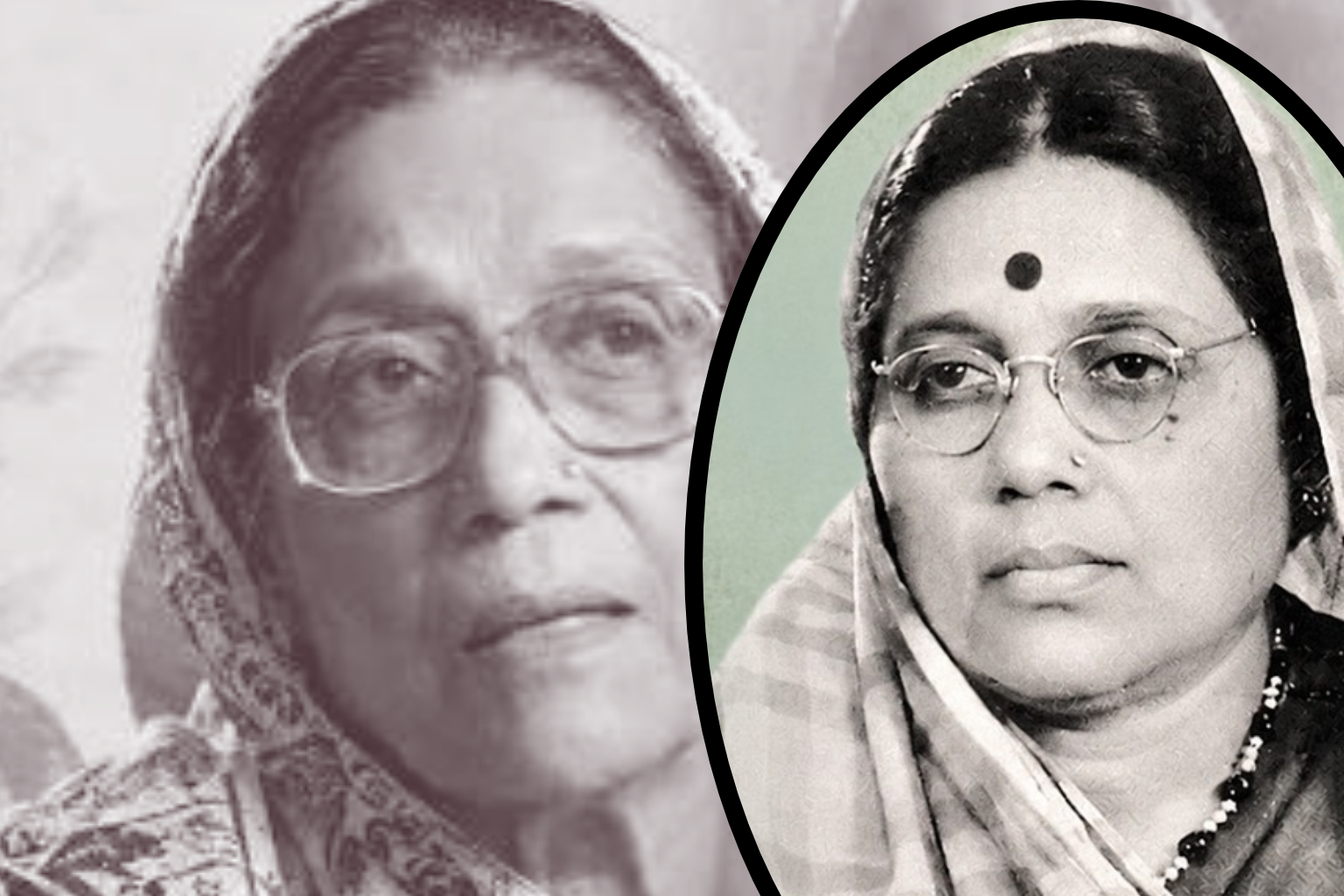
The wait is finally over! One of the most cherished festivals of Bihar, Jharkhand and Eastern India, Chhath Puja is here! For millions of families, Chhath is more than a four-day festival; it is an emotion they wait an entire year to experience. From cleaning neighbourhoods and riverbanks to preparing traditional offerings, the excitement is unmistakable. And what would Chhath be without its songs? Today, the festival’s musical identity is closely associated with the voices of Sharda Sinha, Anuradha Paudwal and Kalpana Patowary. Their melodies have become part of countless childhood memories and family traditions. But amidst these familiar voices, we often overlook a pioneering folk artist from Bihar — Bindhyabasini Devi, whose contribution to Chhath music and the state’s folk heritage deserves to be remembered.
Bindhyabasini Devi: The Voice That Preserved Bihar’s Folk Heritage
Born in Muzaffarpur, Bihar, in 1920, Bindhyabasini Devi was one of the most influential figures in the preservation and promotion of regional folk music. Fondly known as Bihar Kokila (The Nightingale of Bihar), she dedicated her life to documenting, performing and popularising traditional songs in Maithili, Bhojpuri and Magahi.
Her love for music began at home. In an archival interview with Prasar Bharati, she recalled listening to her maternal and paternal grandmothers sing traditional folk songs. Those childhood memories laid the foundation for a lifelong journey devoted to Bihar’s musical traditions.
After moving to Patna in 1945, she began working as a music teacher at Arya Kanya Vidyalaya. Despite having classical music training, her growing interest in traditional compositions drew her towards folk music. Her husband, Shedeveshvar Chandra Verma, encouraged her musical pursuits at a time when women performing publicly often faced social restrictions.
Her association with All India Radio (AIR), Patna, began with a radio performance in 1948. She subsequently became associated with its Folk Music Department, helping bring Bihar’s regional songs to a wider audience.
Vindhya Kala Mandir: Keeping Folk Music Alive
In 1949, Bindhyabasini Devi established Vindhya Kala Mandir in Patna, an institution dedicated to teaching and promoting traditional music. What began as a small initiative grew into an important centre for musical education, training generations of students in India’s folk traditions.
Her contribution extended far beyond singing. She collected, composed and documented folk songs associated with childbirth, marriage, seasonal celebrations and religious festivals.
Her repertoire included traditions such as Sohar, Jhoomar, Samdavani, Nachari, Maheshvani, Jat-Jatin, Sama-Chakeva and Kajri. She believed these songs were more than entertainment; they carried the memories, emotions, customs and cultural identity of communities.
She also encouraged young artists to experiment with new compositions and musical arrangements, but believed they should never lose touch with their cultural roots.
Her musical journey extended to cinema as well. She contributed songs to regional films, including the Magahi film Bhaiya and the Maithili film Kanyadaan, taking Bihar’s folk music to new audiences.
Awards and Recognition: Honouring Bihar’s Musical Legacy
Her extraordinary contribution earned her several prestigious honours. She received the Padma Shri in 1974, followed by the Sangeet Natak Akademi Award in 1991 and the Ahilya Bai Award in 1998. In 2004, she was elected a Fellow of the Sangeet Natak Akademi.
Bindhyabasini Devi passed away in Patna on 18 April 2006, aged 86. Yet, the musical traditions she spent her life preserving continue to resonate across Bihar.
In her archival interview, her message to younger folk artists was particularly meaningful: embrace new compositions and musical experimentation, but never forget your own culture.
Chhath Songs by Bindhyabasini Devi: The Sound of Tradition
Among the many folk traditions she celebrated, Chhath songs held a special place. For Bindhyabasini Devi, these devotional compositions were an expression of faith, nature and the cultural traditions passed down through generations.
Some of her popular Chhath songs include ‘Sone Ke Khadaua Ho Deenanath’, ‘Saat Hi Ghodwa Suruj Dev’ and ‘Kelwa Je Pharela Ghavadh Se’. These traditional melodies continue to evoke the devotion and atmosphere associated with Chhath Puja.
Today, as families gather at riverbanks and ponds to offer arghya to the setting and rising Sun, the songs of Chhath continue to bring generations together.
We celebrate the voices we grew up listening to, but perhaps it is also time to rediscover the artist who helped preserve the musical roots of this festival.
Bindhyabasini Devi may no longer be with us, but her songs remain. And remembering her is also a way of remembering Bihar’s rich cultural heritage.