
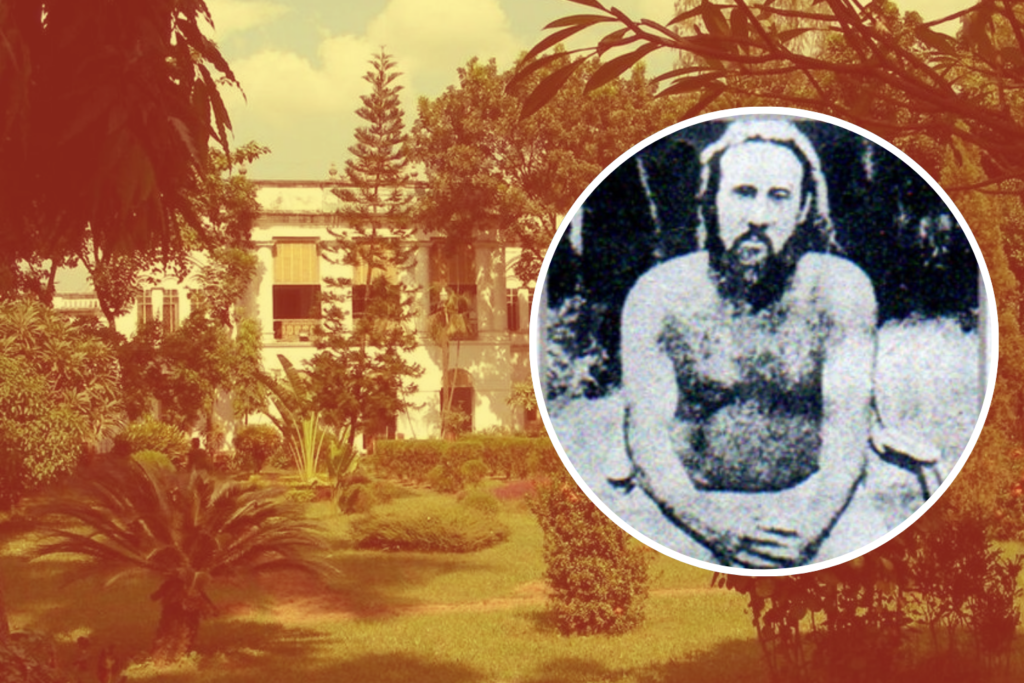
Some stories from history refuse to fade away. They linger between fact and folklore, leaving behind questions that time cannot answer. The Bhawal Sanyasi case is one such story – a tale of death, memory, identity, and destiny.
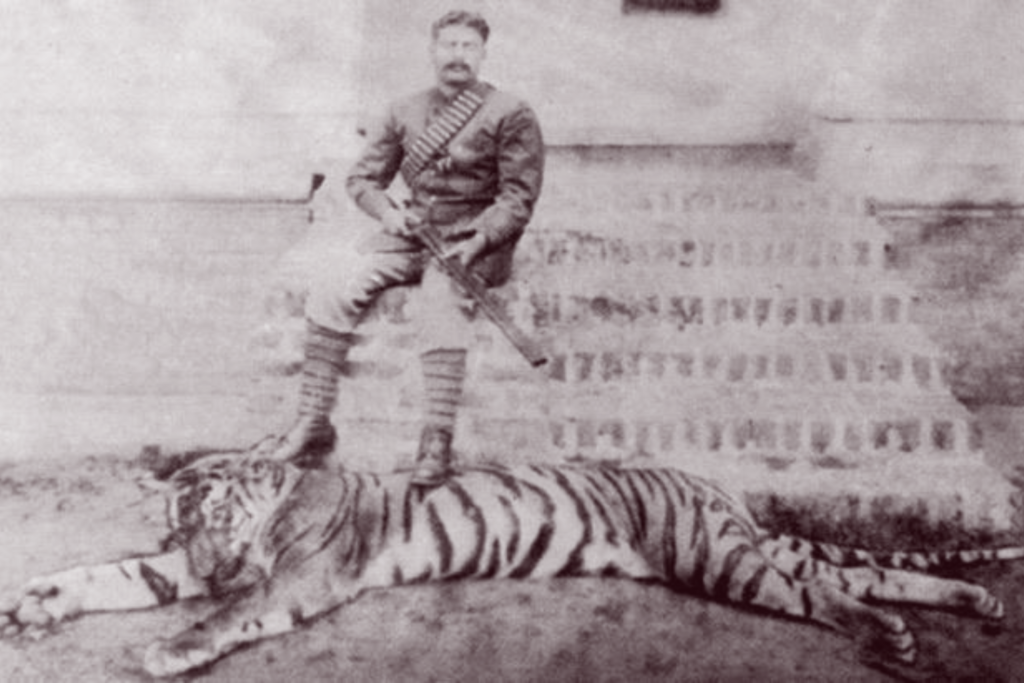
In 1909, Ramendra Narayan Roy, the second prince of the Bhawal estate, travelled to Darjeeling seeking treatment for illness. Within days, news arrived that the young prince had died. His body was reportedly cremated in haste, under stormy skies.
The Bhawal estate mourned its prince, and life moved on. Or so it seemed.
More than a decade later, in the early 1920s, a mysterious sanyasi appeared in Dhaka. Quiet and withdrawn, he lived like a wandering monk. But people soon began noticing something strange — the ascetic looked remarkably like the late Bhawal prince.
Villagers whispered. Old subjects stared in disbelief. Recognition slowly replaced doubt.
Could the prince still be alive?
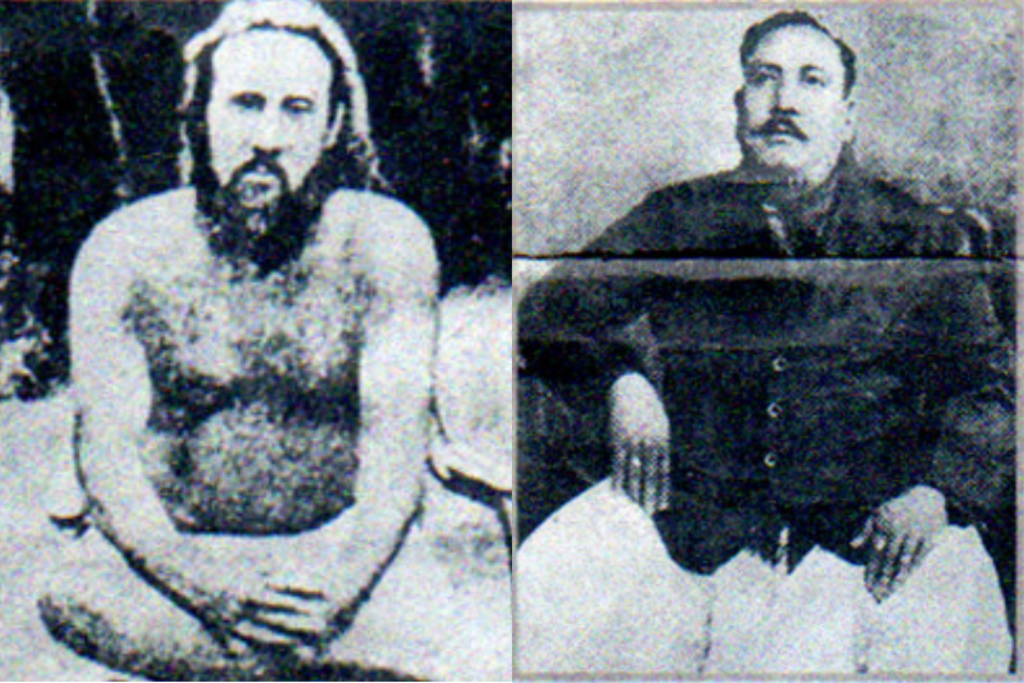
The sanyasi eventually claimed he was Ramendra Narayan Roy. He said he had survived poisoning in Darjeeling and lost his memory after the incident. Rescued by monks, he had wandered for years before fragments of his past began returning.
Drawn by memory, he had come back home.
For many in Bhawal, this was not a miracle – it was the truth.
The claim divided families, officials, and the public. Some accepted the sanyasi as their prince. Others rejected him as an impostor.
In 1930, the dispute entered the courtroom. What followed was one of the longest legal battles in Indian history.
Witness after witness testified — villagers, relatives, doctors, and scholars. They spoke of birthmarks, handwriting, language, and childhood memories. The courtroom became a stage where identity itself was questioned.
In 1936, a Dhaka court recognised the sanyasi as the Bhawal prince. Appeals followed, but the decision held firm.
Finally, in 1946, the Privy Council in London confirmed the ruling. The ascetic was legally declared the lost prince of Bhawal.
A man once declared dead had returned — and won.
The victory was short-lived. The sanyasi died soon after the final judgment, leaving behind a story that still puzzles historians.
The strange and emotional saga has inspired books, documentaries, and films. One notable adaptation is the Bengali film “Ek Je Chhilo Raja” (2018), directed by Srijit Mukherji, which retells the Bhawal Sanyasi story through a courtroom drama narrative. The case continues to fascinate audiences as a rare blend of history, mystery, and human drama.
Was he truly the prince who survived death? Or a stranger who stepped into another man’s destiny? No one knows for certain. But in the memory of Bengal and beyond, the Bhawal Sanyasi lives on — as one of history’s most baffling mysteries.